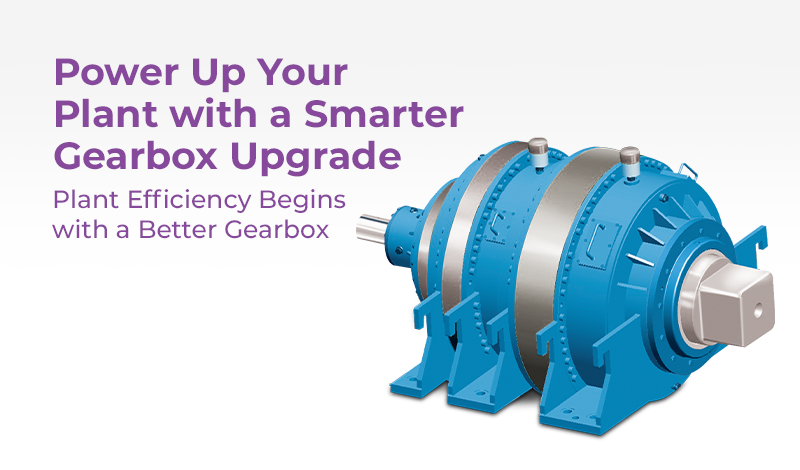
Thinking About a Gearbox Upgrade? Here’s Why It Can Change Everything for Your Plant
If you work in industry, you know this truth: Your transmission system is only as strong as its weakest link. And for a huge number of factories, mills, and plants, that link is the gearbox. It’s what quietly handles the brute force – transmitting power, reducing speed, and protecting the rest of your equipment from shock and stress.
But gearboxes, tough as they are, don’t last forever. They wear out. Technology moves on. What worked a decade ago might be costing you efficiency, reliability, and real money today.
Is Your Equipment Performance Held Back by an Old Gearbox?
You might not notice it at first. Maybe production targets are still being met, but you’ve noticed subtle changes – crews spending longer on routine maintenance, energy bills creeping higher, bearings getting noisy, or output torque not feeling what it used to be.
Sometimes it’s just small early warning signs. Other times, it’s a weekend spent battling an unexpected breakdown that halts your entire line. Sound familiar? For many, these headaches point to one root cause: an aging or inefficient gearbox struggling to keep up with modern demands.
The Efficiency Loss You Don’t See, Yet Pay For
A gearbox that’s wearing out or not designed for today’s loads quietly wastes energy. Maybe it’s internal friction, maybe it’s backlash or poor lubrication. Whatever the reason, the result is the same: the motor works harder, burn-out risk increases, and each kilowatt delivered costs a little more.
And inefficiency isn’t just about energy usage. Poorly performing gearboxes introduce vibration and heat, not just shortening their own lives, but slowly damaging everything downstream: bearings, shafts, couplings, and even your drive motors.
Why Not Repair Instead of Replace?
It’s a great question, and it often comes down to what your current transmission really needs. Sometimes, well-timed gearbox repair services from experts can breathe new life into your setup. Broken bearings, worn teeth, seal leaks – all can be fixed.
But sometimes, a repair just resets the clock briefly. If your gearbox is underpowered, misaligned with your process needs, or just plain outmoded, a full upgrade – whether that means retrofit, redesign, or a new unit with modern materials – can deliver far better long-term results.
A quick assessment with the right transmission repair team helps you weigh your options.
What Changes With a Modern Gearbox Upgrade?
Let’s talk benefits in plain English:
- Higher Efficiency: Modern gearboxes are engineered for tighter tolerances, lower friction, and optimized gear profiles. That translates directly into more power transferred for every unit of energy you use.
- Less Heat, More Uptime: Better sealing and cooling design means less lost energy and fewer shutdowns for temperature spikes or lubrication failures.
- Quieter Operations: New models run smoother, with vibration and noise suppression, which also means less wear long-term.
- Longer Equipment Life: Your motors and driven machinery don’t have to “fight” against internal gearbox resistance, reducing the risk of surprise breakdowns and extending overhaul intervals.
In many plants, these benefits are so pronounced that crews quickly notice the change: lines run smoother, power bills drop, and maintenance feels less like crisis management and more like planned routine.
Can You Quantify the Payback?
Most professional gearbox repair services can. With an upgrade, especially at the transmission system level, you’ll usually see:
- Energy savings of 5–10% (sometimes more)
- Lower maintenance cost
- Fewer unplanned shutdowns
- Increased throughput (thanks to less time lost to sluggish or unreliable drives)
One customer recently shared: “After years of patching up the same gearbox, we finally upgraded. The efficiency gain meant the project paid for itself in under two years. We didn’t realize just how much we were losing to old friction and vibration.”
How to Approach a Gearbox Upgrade
It’s not as daunting as it sounds. A smart upgrade starts with assessment:
- Is your current box sized right for current loads?
- Are there better gear types, materials, or lubrication systems available?
- Could a retrofit fit, or does your process justify a true replacement?
- What unplanned repair calls could be eliminated with new design features?
A trusted transmission repair partner will take time to answer these, not just swap out boxes and move on. The best providers back new gearboxes with inspection, balancing, and load-testing as part of the install.
Common Mistakes to Avoid
A quick word of caution: Upgrading makes sense, but avoid going it alone with just “off the shelf” choices. Specs matter. Oversized gearboxes waste energy; undersized ones wear out quickly. Work with experts who understand your process, loads, and existing powertrain.
Also, don’t ignore alignment and foundation work. A sloppy install will erase half your efficiency gains.
Don’t Overlook Digital Upgrades
Many modern gearboxes, especially for industrial transmission systems, offer built-in sensors for vibration, oil level, or temperature. Investing in this tech lets you monitor health in real time, tightening up maintenance schedules and reducing the chance that you’re ever surprised by failure.
Ready for Smoother Operations? Ask the Right Questions
If your equipment is seeing rising repair costs, frequent leaks, or just not delivering the punch it used to, don’t wait for a total failure to act. The right specialist will help you choose between gearbox repair services and a full upgrade, always aiming for better efficiency, reliability, and ROI.
Bringing It All Together
For most plants, upgrading the gearbox is less about a shiny new part and more about peace of mind. It means your motors run cooler, your energy bills drop, and your team can plan for the future; not just put out fires.
At Premium Care, our heritage in transmission repair and gearbox upgrades means we don’t just install – we advise, support, and keep your power systems running at their best, every day.